
The marketing landscape in India is on the brink of a seismic shift. With the rapid adoption of artificial intelligence (AI), the way brands connect with consumers is evolving at an unprecedented pace. But as AI blurs the lines between reality and illusion, marketers are faced with both immense opportunities and ethical dilemmas. How will AI redefine marketing in India? What new tools and opportunities will shape the future? And how will consumer behaviour and attention spans adapt to this new era? Let’s dive in.
India, with its vast and diverse consumer base, is uniquely positioned to leverage AI in marketing. From hyper-personalized campaigns to predictive analytics, AI is transforming how brands understand and engage with their audiences. But this transformation isn’t just about efficiency—it’s about creating experiences that feel real, even when they’re powered by algorithms.
Here’s how AI is reshaping the marketing playbook in India:
1. Hyper-Personalization at Scale
AI enables marketers to deliver personalized experiences to millions of consumers simultaneously. By analysing data points like browsing behaviour, purchase history, and social media activity, AI can predict what a consumer wants before they even know it themselves.
Tools to Watch: Platforms like Adobe Sensei, HubSpot AI, and Dynamic Yield are helping Indian brands create tailored content, product recommendations, and email campaigns.
Opportunity: Brands that master hyper-personalisation will stand out in India’s crowded market, where consumers increasingly expect relevance and individuality.
2. AI-Driven Content Creation
From writing ad copies to generating video scripts, AI is becoming a creative force. Tools like ChatGPT, Jasper.ai, and Canva’s Magic Design are empowering marketers to produce high-quality content at scale.
The Illusion Factor: AI-generated content can mimic human creativity so well that consumers may not even realise they’re engaging with machine-generated material.
Opportunity: Indian brands can use AI to create multilingual content, catering to the country’s linguistic diversity while maintaining consistency and quality.
3. Predictive Analytics and Consumer Insights
AI’s ability to analyse vast amounts of data in real-time is a game-changer for understanding consumer behaviour. Predictive analytics can forecast trends, identify emerging markets, and optimize marketing strategies.
Tools to Watch: Google Analytics AI, Tableau, and Salesforce Einstein are helping Indian marketers make data-driven decisions.
Opportunity: Brands can anticipate consumer needs and stay ahead of the competition by leveraging predictive insights.
4. Voice and Visual Search Optimization
With the rise of voice assistants like Alexa and Google Assistant, and visual search tools like Google Lens, AI is changing how consumers search for products and services.
Opportunity: Indian marketers must optimize for voice and visual search, especially in Tier 2 and Tier 3 cities where these technologies are gaining traction.
Challenge: Balancing SEO for traditional text-based search with these emerging formats.
5. Chatbots and Conversational Marketing
AI-powered chatbots are revolutionizing customer service and engagement. They provide instant responses, handle queries, and even drive sales—all while mimicking human conversation.
Tools to Watch: Drift, Intercom, and Haptik are leading the charge in conversational AI.
Opportunity: Indian brands can use chatbots to offer 24/7 support, especially in a market where consumers expect quick and efficient service.
6. Programmatic Advertising
AI is making advertising smarter and more efficient. Programmatic advertising uses algorithms to buy and place ads in real-time, targeting the right audience at the right time.
Opportunity: Indian brands can reduce ad spend waste and improve ROI by leveraging programmatic platforms like The Trade Desk and MediaMath.
Challenge: Navigating the ethical concerns of data privacy and transparency.
How AI Will Impact Consumer Behaviour and Attention Spans
As AI becomes more integrated into marketing, consumer behaviour and attention spans will inevitably shift. Here’s what to expect:
Shorter Attention Spans: With AI delivering hyper-relevant content, consumers will have less patience for generic or irrelevant messaging. Brands will need to capture attention within seconds.
Increased Expectations: Consumers will expect brands to anticipate their needs and deliver personalised experiences. Anything less will feel outdated.
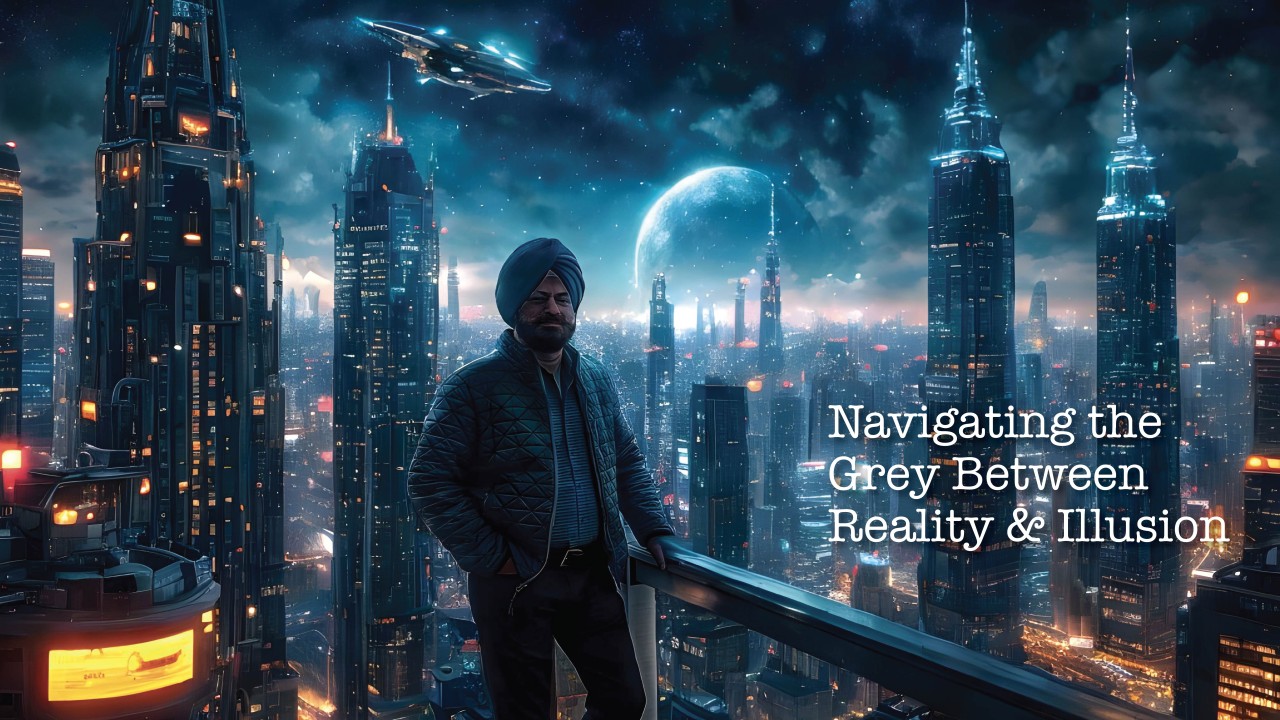
Blurred Lines Between Reality and Illusion: As AI-generated content becomes more sophisticated, consumers may struggle to distinguish between what’s real and what’s artificial. This could lead to trust issues if not managed ethically.
Demand for Authenticity: Despite the rise of AI, consumers will crave authenticity. Brands that can balance AI-driven efficiency with human touchpoints will win loyalty.
The Ethical Grey Area
While AI offers incredible opportunities, it also raises ethical questions. How much personalization is too much? Should consumers know when they’re interacting with AI? And how do we ensure data privacy in a world driven by algorithms?
Indian marketers must navigate these questions carefully, building trust and transparency into their AI strategies.
The Future of Marketing in India: A Hybrid Approach
The future of marketing in India lies in a hybrid approach—combining AI’s efficiency with human creativity and empathy. Brands that can harness AI’s power while staying grounded in ethical practices will thrive in this new era.
Embrace AI tools to stay competitive, but don’t lose sight of the human element.
Invest in data privacy and transparency to build consumer trust.
Experiment with emerging technologies like voice search, chatbots, and AI-generated content.
Focus on creating authentic, meaningful experiences that resonate with Indian consumers.
AI is not just a tool; it’s a paradigm shift. As marketers in India, we have the opportunity to lead this transformation—but only if we navigate the grey between reality and illusion with care and responsibility.